
What Alger County Deed Records Document
The Register of Deeds records deeds, mortgages, liens, releases, plats, land contracts, assignments, and discharges. Each deed names grantor and grantee. Dates, description, and a book/page reference follow.
| Deed Type | What It Does | Common Use |
|---|---|---|
| Warranty deed | Conveys an interest with stated covenants | Following an ordinary sale |
| Quitclaim deed | Conveys whatever interest the grantor has | Family or corrective transfers |
| Personal representative deed | Conveys under estate authority | Probate transfers |
| Trustee deed | Conveys under trust authority | Trust-held property |
| Tax deed | Results from a statutory tax process | Connecting a tax sale to title |
A deed's type labels the instrument. It does not prove title free of every mortgage, lien, easement, or competing claim.
Walk Alger County’s Grantor-Grantee Index
Treat the assessor's name as a starting clue. Follow the recorded transfers while matching the land description at every step.
- Find the current owner's purchase deed with that owner as grantee.
- Read the prior owner, recording date, and legal description from the deed.
- Search the prior owner as an earlier grantee, then repeat.
- When the digital index stops, request the relevant deed book or microfilm from the office.
- Grantor
- The party transferring an interest.
- Grantee
- The party receiving it.
- Chain of title
- The linked sequence of conveyances for the same land.
- Book/page and instrument number
- Two systems used to identify recorded documents.
Choose Tapestry or Laredo for Alger Deeds
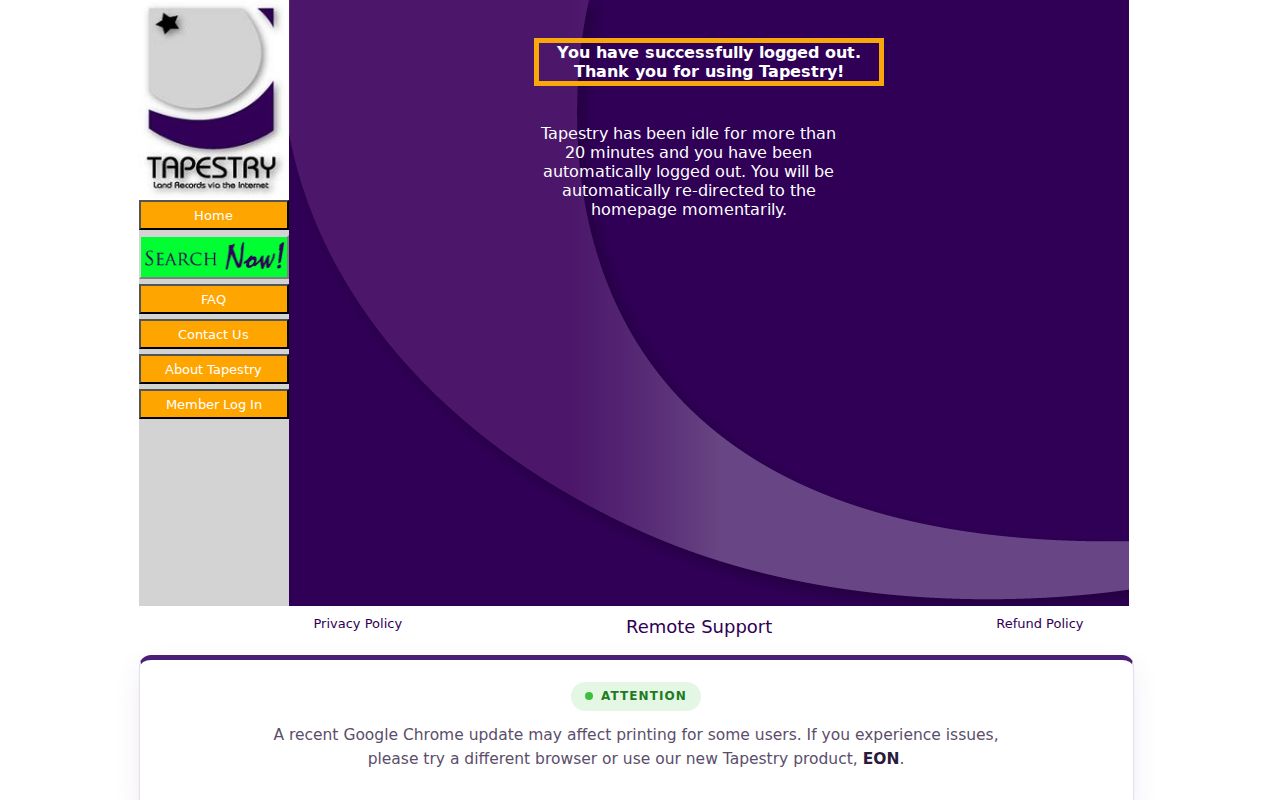
The county's online records page splits access by user. Occasional searchers go to Tapestry at $8.95 per search plus $1 per image page, while Laredo serves subscribers. Start at the official Tapestry page.

The county-selection screen is just a gateway. Alger County publishes no verified earliest online year, so confirm any coverage gap with the office.
Search Alger Deeds by Party, Date, and Land
| Grantor / grantee | Party transferring or receiving an interest; try spelling and entity variants. |
|---|---|
| Date range | Recording dates; broaden around a suspected closing. |
| Document type | Deed, mortgage, lien, release, plat, assignment, or related instrument. |
| Parcel / legal description | PIN, plat lot and block, or rural description terms when indexed. |
The Tapestry grantor-grantee form shows these routes.
Match every hit to the legal description first.
Why Alger Documents Receive Corrective Recordings
Alger County's recording rules demand original signatures, acknowledgment, a grantee address, preparer information, specified paper and margins, and an adequate legal description. Some transactions add consideration, transfer-tax details, a death certificate, or trust evidence. Those requirements explain many corrective deeds. Acceptance, though, proves neither validity nor priority.
Monitor Alger Names With Property Fraud Alert
Alger County links a free name-based alert service. Register full names, initials, former names, and trust or entity variants at Property Fraud Alert.
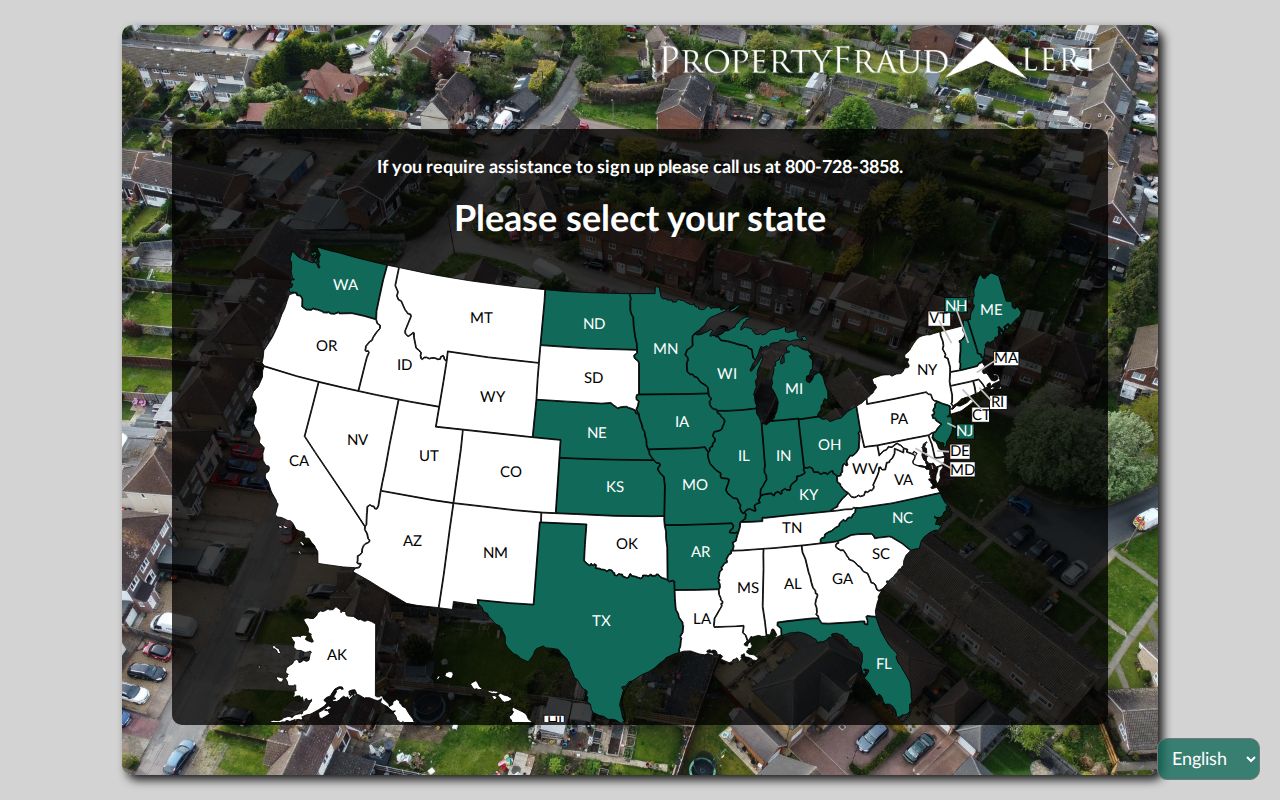
An alert prompts review, not prevention or proof of fraud.
Continue Alger’s Deed Trail Beyond the Web
For records beyond the web, call the Register of Deeds at (906) 387-7067, or the real-estate deputy at (906) 387-7034, to ask about bound-book and microfilm coverage. Bring names, dates, a PIN, the legal description, and any references you already have. Older material sits elsewhere: the Archives of Michigan lists Alger assessment rolls starting in 1885 and probate files starting in 1886, while Michigan Wills and Deeds opens another historical route, subject to access limits.
If a record seems missing, the cause is usually ordinary. The cutoff may simply be unpublished. Spelling varies, a book may sit unindexed, and a re-plat or parcel split can shift where a deed lives. Alger County organized in 1885, so earlier land can route through Schoolcraft County or federal records rather than through a courthouse disaster or lost volumes.
Get an Alger County Deed Copy
The county fee page sets the numbers. Copies cost $1 per page, and certification runs $5. That $30 is a recording fee. It is not an ordinary copy price. For counter or mail service at 101 Court Street, provide the instrument or book/page, parties, recording date, legal description, and return instructions, and ask the office to confirm current payment terms.
Recorded, not guaranteed. The index shows what was accepted and recorded, not whether title is clear or whether unrecorded interests exist. Use professional title work for a transaction.
Counter research can beat repeated paid searches when one party has many filings. Ask staff how the index handles punctuation. Corporate suffixes, married names, and estate captions all matter too, and the public terminal may expose fields or images missing from remote access. For mailed requests, name one instrument precisely. Request a cost estimate before sending payment. Start with BS&A when only the address is known. Retrieve the parcel number and legal description there first, because the recorder index is organized around parties and recorded land instruments, not a modern street-address directory.
Certification matters when an agency, court, estate representative, or transaction professional needs an authenticated copy. Informal house-history work may need only a plain copy. Inspect every page either way. A short index row can point to a multi-page legal description, easement exhibit, survey sketch, or prior-document reference that supplies the next search key. Older deeds often recite a liber and page. That citation may predate online images. Preserve it anyway, since it opens the next link in the chain.
Build an Alger Deed Research Workbook
Keep a row for every instrument. Note the grantor, grantee, deed type, execution date, recording date, instrument or liber/page, stated consideration, legal description, parcel reference, and prior-document citation. Mortgages, assignments, discharges, liens, releases, easements, and plats each get their own rows instead of being squeezed into the ownership sequence. That structure shows whether an encumbrance was released later, and whether a new deed really describes the same tract.
Name variations deserve a column of their own. Alger records may list initials, married or former surnames, "estate of" captions, personal representatives, trustees, and business suffixes. Search each party in both grantor and grantee roles across overlapping dates. When the owner of record is an LLC, Michigan's LARA Corporations Division helps explain the entity, but an entity filing never replaces the recorded deed.
Estate transfers widen the trail. Line up the death record, the Alger Probate Court file, the representative's deed, and recorder confirmation. Probate sits at 101 Court Street, reachable at (906) 387-2080, and online MiCOURT data may show only docket-level detail. Ask the court for accessible redacted documents when an order or appointment supplies a deed's authority.
At 1885, Alger County's organization date is a jurisdiction clue, not the start of land ownership. Earlier deeds or patents may appear under Schoolcraft County or federal land records. The Archives' early assessment and probate series can pin down the right person and township, and then the recorder, archive, or federal collection supplies the conveyance evidence. This layered method is slower than a name-only search. It preserves the chain instead of guessing across gaps.
Interpret Alger Deed Consideration Carefully
A deed’s stated consideration is not a price tag. Neither is a transfer-tax affidavit, an assessor’s sale-history field, or a market and assessed value, because each answers a different question. Alger County’s real-estate transfer-tax guidance puts the applicable statement and tax on the seller or grantor, and statutory exemptions are recognized. A nominal amount, an exempt transfer, or a missing affidavit should never be rewritten as the property’s open-market price.
When price matters, note the source document. Say whether the figure covers one parcel or several. Hunt for associated affidavits or transfer references as permitted, and compare the parcel and legal description. Do not import BS&A values into the deed chain. A family quitclaim, estate distribution, trust transfer, land contract, or multi-county conveyance can all make the number misleading. None of that makes the deed invalid.
Use Alger Plats and Resolutions to Explain Land Changes
Deed records often hold only half a boundary story. A plat fixes lots, blocks, streets, alleys, and dedications. Later deeds convey interests inside that framework. Municipal resolutions can vacate a right-of-way or preserve utility easements, while surveys and corrective deeds may refine the description. Search these instruments by subdivision name, proprietor, affected lot, and recording reference as well as by owner.
Munising’s Island View Addition is a local example. City action referenced Liber 1 of Plats, page 31, named the affected lots, vacated an alley, and kept utility easements in place. The trail matters, because an earlier resolution had never been recorded or sent to the State Treasurer. A current assessor card cannot explain that gap alone. City minutes, the plat, the certified resolution, and county recording have to be read together.
Prepare an Alger Register of Deeds request.
At the counter, by phone, or by mail, lead with the narrowest reliable identifiers. Grantor or grantee comes first. So do the approximate recording date and deed type. Add the instrument number or liber/page, the PIN, and the legal description. Ask about the index year too. Images may sit remotely, on a terminal only, on microfilm, or in a bound book. If staff surface several candidates, request index details first. Pick the right document before copy charges accrue.
For a certified copy, say so up front. Get the current total, payment method, mailing instructions, and turnaround expectations from the office. For historical research, trace every prior-document citation in the newest deed and request one link at a time. This controlled pace beats repeated name searches across an unknown online cutoff.